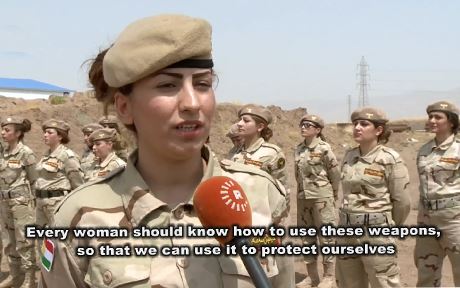
One year ago I predicted that ISIS would likely be forced into remission, continuing its territorial losses, but also stating that people should not become complacent, as ISIS is like a cancer. And much like a cancer, ISIS has spread, attacking new areas of its global host.
But first, let us consider the legacy of the Islamic State in the Middle East.
Vast swaths of territory have been gutted of infrastructure and the people displaced. It will take years and billions of dollars to rebuild the affected areas, and many of the people will never fully recover. Children have been stripped of their childhood and hope for education. Fathers and sons murdered. Mothers and daughters sold into slavery. This risks creating a cycle of further ethnic distrust, with groups blaming one another in the generations to come, increasing the likelihood of ethnic rifts in the future.
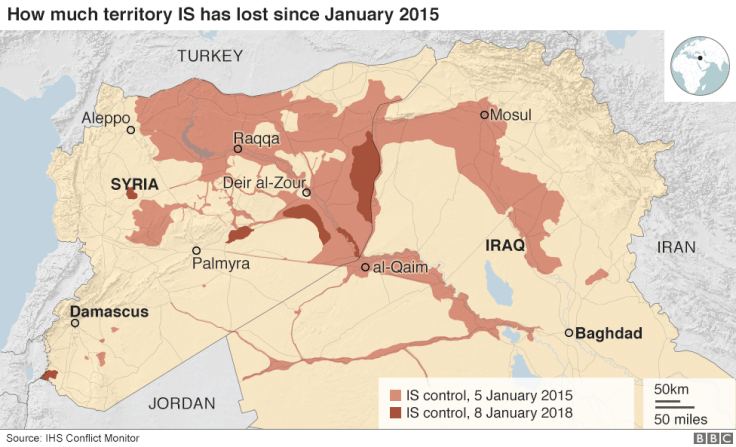
In order to break this cycle it may very well be time for the Euro-drafted borders of the 19th century to be redrawn, allowing for self-rule based on historical and contemporary border realities. By creating areas of self-rule for the Kurds, Sunnis, and Shia, while maintaining national borders for the nation of Iraq, and committing to resource sharing, the cycle could be broken. Representative rule for the nation forcing coalition building at the legislative and executive level would provide an avenue other than war to resolve conflicts. Resource sharing would help rebuild trade, trust, wealth, and lay the foundation for economic security.
Effectively Iraq and other failed or nearly failed states could rebuild based on ethnic realities rather than artificially imposed borders, utilizing the old borders to allow for a sort of confederation to guarantee broader national security against foreign threats.
As the Middle East looks forward to a post-ISIS future, Asia and Africa are dealing with a resurgent ISIS in their territories.
The territory is ripe for the expansion of fundamentalist ideology.
- Large Muslim populations
- Ethnic tensions / violence
- Oppressive governmental institutions & corruption
- Lack of economic security
Both Africa and Southeast Asia have large or significant Muslim populations, often in nations where there is already ethnic tension. Nigeria, Niger, Chad, Somalia, Ethiopia, Myanmar, the Philippines, all have current or simmering ethnic tensions between other groups (Christians, Buddhists) and Muslims.
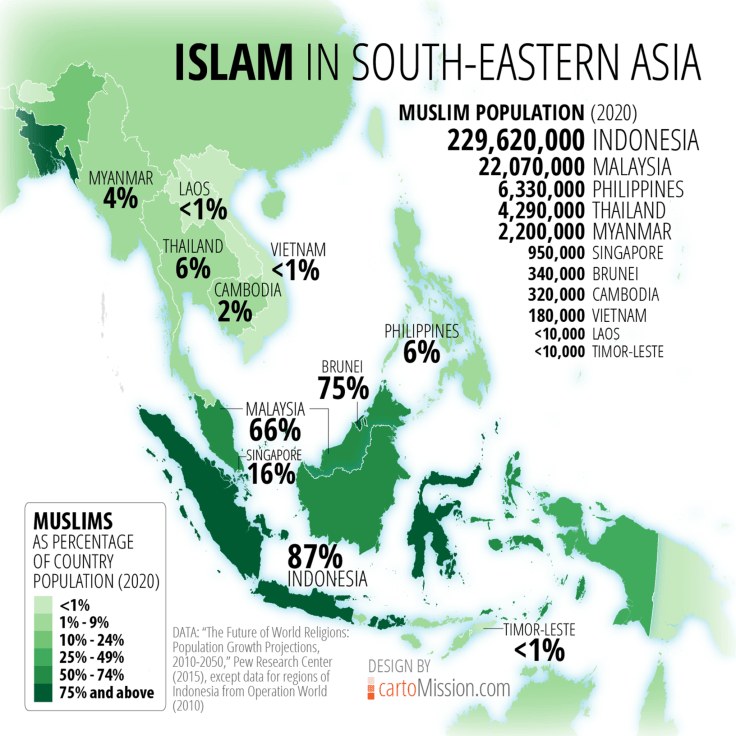
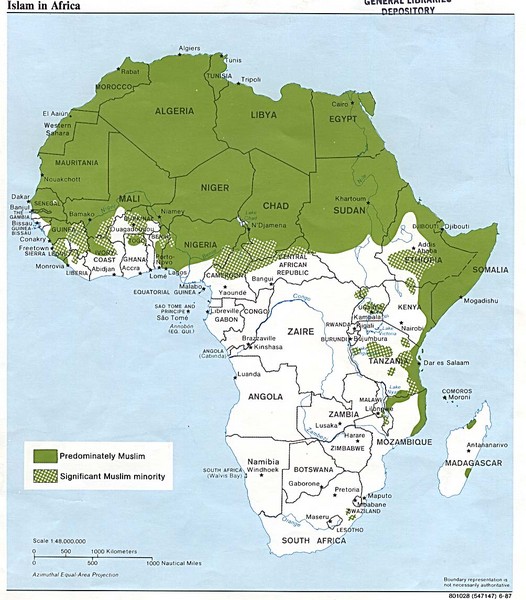
Fortunately the world has learned from the ISIS experience in the Middle East, and both local and international governments are moving quickly to not only address the immediate threat, but the long term realities of how to prevent violence from getting out of hand. Though ISIS has stepped up attacks in these areas, local forces are fighting back – hard – and international aid is very much present.
ISIS is back to using car bombs, small scale attacks, and relying on recruiting westerns to carry out attacks on soft targets in the United States, Australia, and Europe. They are a long way from their glory days of potentially using chemical weapons or other weapons of mass destruction.
So is the threat gone? No. Is it contained? For the most part.
ISIS is a cancer, but it is a cancer in remission.
 The Rushin Perspective
Leave a comment